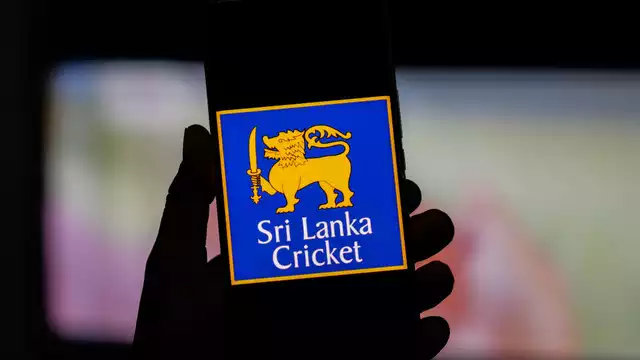
Sri Lanka Cricket’s Transformation Committee, established by the Ministry of Sports and Youth Affairs in April, has announced a series of strategic reforms aimed at revitalizing the sport. The primary changes involve streamlining the top-tier domestic league by reducing the number of clubs from 14 to 10, while transitioning the premier first-class tournament from a three-day format to a more rigorous four-day schedule. These structural updates, detailed in a statement released on September 21, are intended to concentrate top-level talent and improve player readiness for the international stage.
These developments occur in the shadow of significant international pressure, following the removal of Sri Lanka’s hosting rights for the 2027 Women’s Champions Trophy due to government interference in the cricket board’s operations. This marks the second time in recent years that the nation has lost the rights to an ICC event, the previous instance being the 2024 men’s Under-19 World Cup. While the ICC noted positive progress on a new, modern constitution during their meeting in Edinburgh this past July, they confirmed that Sri Lanka would remain unable to participate in ICC Board meetings until formal, transparent elections are conducted.
The newly drafted constitution, which has already been submitted to the government for parliamentary review, aims to establish a sustainable framework for the future of the game. According to the committee, this document is designed to satisfy the expectations of the ICC, the Sri Lankan public, and the broader cricketing community. Beyond the core structural changes, the board is also implementing a second tier consisting of 12 clubs, alongside a revamped calendar that incorporates dedicated rest periods and a significant overhaul of school-level cricket pathways.
Operational efficiency is another pillar of the transformation. The board has already begun cutting costs by shedding unnecessary legal expenses, reducing consultant roles, and trimming an overly bloated coaching hierarchy. These savings are being redirected toward grassroots infrastructure and player development. Furthermore, the committee is proactively addressing legacy issues, providing formal redress to clubs and employees who were previously penalized unfairly.
Professional standards are being reinforced through key appointments and institutional changes. Andy Atkinson, the former ICC head curator, has managed the selection of a new national curator, and all curators at international venues now fall under the board’s direct payroll. Expert coaching support is being bolstered by Ashley Ross, while former international umpires Lyndon Hannibal and Ruchira Palliyaguruge have been brought in to elevate officiating standards. Additionally, the medical setup has been strengthened with Dr. Alex Kountouris overseeing sports medicine reforms, and a sports psychologist has been integrated into the men’s national team’s support staff to enhance athlete performance and well-being.
Further developmental initiatives include new communication and media training for women cricketers. The committee emphasized that these measures are only the beginning of a broader, ongoing transformation process. By fostering a more competitive domestic landscape and professionalizing the support staff, the board hopes to secure a stable and prosperous future for Sri Lankan cricket. The report also notes that these reforms are part of a wider set laid out weeks after the board was stripped of hosting rights for the inaugural Women’s Champions Trophy. The report also notes that appointed by the Ministry of Sports and Youth Affairs in April, said in a September 21 statement that it had also drafted a new SLC constitution within two months of its formation and submitted it to the government, which is now working towards tabling it in Parliament, the committee. The report also notes that the tournament has since been moved to India as a result.