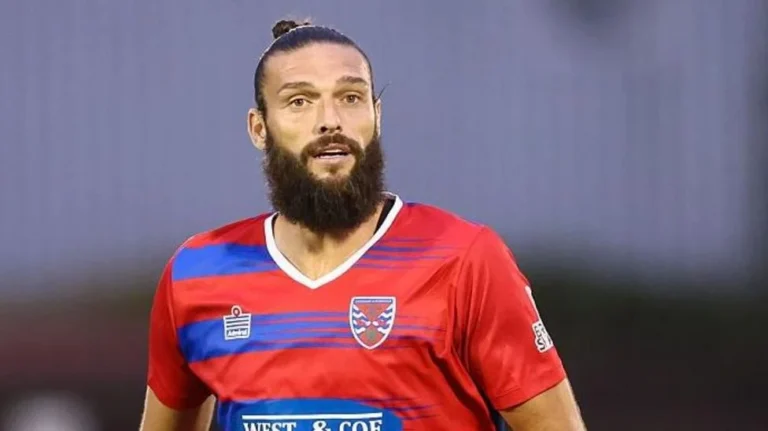
In October 2024, Martyn Jackson walked off the pitch following Ramsbottom United’s 2-1 victory over Cheadle Town with no inkling that his future included global sporting success. Only days after that match, he fell severely ill, leading to a diagnosis of myocarditis—a heart inflammation triggered by an infection. His condition deteriorated rapidly, necessitating a mechanical pump and a place on the UK’s super-urgent transplant list.
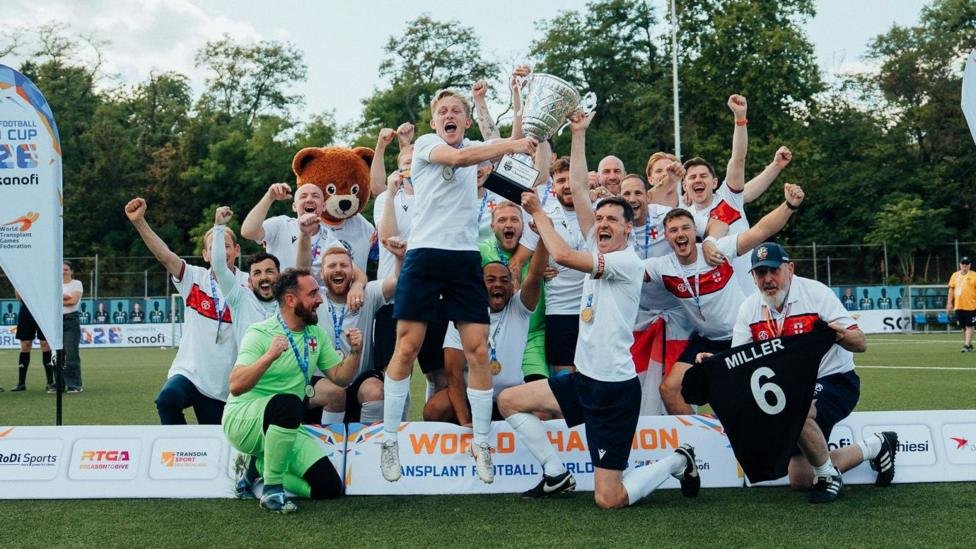
On November 28, 2024, Jackson underwent successful transplant surgery at Wythenshawe Hospital in Greater Manchester. Reflecting on that period, he admitted that he never expected to play the game again, having initially viewed his condition as a permanent barrier to his athletic life. However, less than two years later, he was on the pitch in Frankfurt, scoring for England in a dominant 5-1 win over Spain to secure the Transplant Football World Cup title.
Dr. Paul Callan, a consultant cardiologist at the hospital who treated Jackson, described the recovery as remarkable. The road to the national squad began when Jackson’s wife, Lucy, discovered the England Transplant FC team on social media. Recognizing his background—which included a youth career at Manchester United and spells with clubs like Blackburn Rovers, Preston North End, and Burnley—manager Daley Cross quickly realized the value Jackson would bring to the team.
The tournament format reflects the unique physical requirements of the athletes, featuring seven-a-side matches with 20-minute halves. Because transplant recipients must manage their physical output carefully, Jackson typically plays in 10-minute intervals. England’s squad, which includes players who have undergone various organ transplants, scored 36 goals across six matches on their way to the trophy.
Manager Daley Cross, a youth worker by trade, emphasizes that the team exists as a testament to the life-saving impact of organ donation. He noted that without donors, the 16-man squad would not exist, highlighting the importance of public awareness. This message takes on added urgency as the NHS reports a 9% decline in organ donors in 2026 compared to the previous year. Currently, there are 8,700 people on the waiting list—a record high for the UK.
The tournament conclusion aligned closely with Organ Donation Week, which runs from September 21 to 28. For players like Jackson, who are considering reaching out to their donor’s family on the second anniversary of their surgery, the victory serves as a powerful symbol of recovery. Dr. Callan noted the increasing difficulty of the transplant process, as the average wait time on the urgent list has risen from seven to 14 days, with some patients becoming too unwell to remain eligible.
Beyond the trophy, the England team aims to demonstrate that a diagnosis of organ failure does not signify the end of a person’s life. By competing on the international stage, these athletes hope to inspire others while honoring the donors who provided them with a second chance. Jackson remains focused on living his life to the fullest, fueled by immense gratitude for the donor who made his return to the football pitch possible. The report also notes that in fact, in the days after that match, his goal was just staying alive. The report also notes that just a couple of days after the final whistle, Jackson started to feel unwell during the night. The report also notes that obviously, when you’ve had a transplant, you don’t think you’re ever going to play again. The report also notes that that’s what I thought anyway,” Jackson said Sport. The report also notes that i’ll be forever grateful to my donor and the family for what they’ve given me. The report also notes that instead, it reflects how delicate each player’s body is having been through life-altering surgery. The report also notes that contact is “not as aggressive as I was used to”, Jackson says.