The upcoming three-match T20I series between Afghanistan and India, scheduled for September 13, 15, and 17 in New Delhi, is set to redefine cricket broadcasting. Rights holder ITW Universe announced that the series will utilize the same production technology, personnel, and expertise employed for the FIFA World Cup 2026. This marks the first instance of a bilateral cricket series being produced to the full host-broadcast standards of the world’s largest sporting event.
Jamie Oakford, a veteran director who has overseen every FIFA World Cup since 2002, including the 2014 final, will lead the production gallery. ITW Universe founder Bhairav Shanth emphasized the shift in approach, stating, “We want to move away from the same old production technology that has been used in cricket for the last 10-12 years.” He added, “We endorse his philosophy, which is to give the viewer the best seat in the house. The series will give new experiences to the viewers and brands.” Fans can catch the live action on Sony Sports and FanCode.
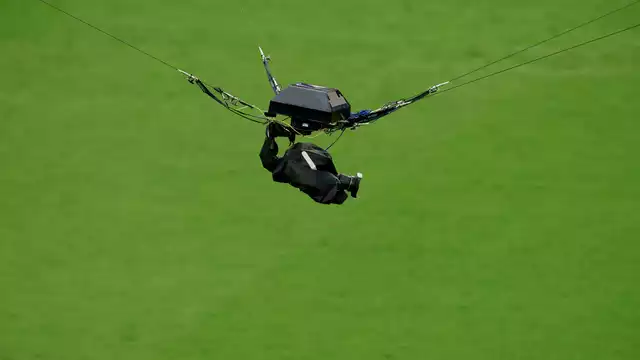
The production will feature a suite of high-end tools, including AI-stabilized POV cameras, advanced Spidercam, and cine-style storytelling. A key addition is the Quidich Innovation Labs’ Spatio system, which provides broadcast-grade augmented reality overlays on drone feeds alongside real-time optical player tracking. This technology allows for detailed strategy visualization and unique field-placement graphics. Furthermore, a dedicated ultra-slow-motion camera system, such as the Phantom or Emperor class, will capture critical moments like edges, stumpings, and bat contact at speeds exceeding 600 frames per second.
Innovation extends to volumetric Free Viewpoint technology, which utilizes a network of cameras to generate a real-time 3D digital twin of the pitch and players. This capability allows broadcasters to position virtual cameras anywhere within the action to create immersive replays. By integrating these forensic-quality visual tools, the organizers aim to provide a fresh perspective on the game, moving beyond traditional broadcast limitations to offer a more dynamic viewing experience for cricket audiences.