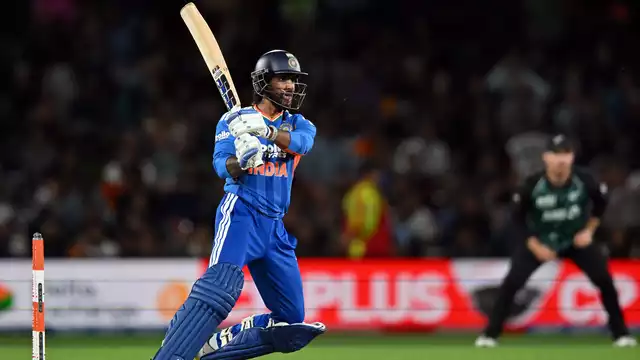
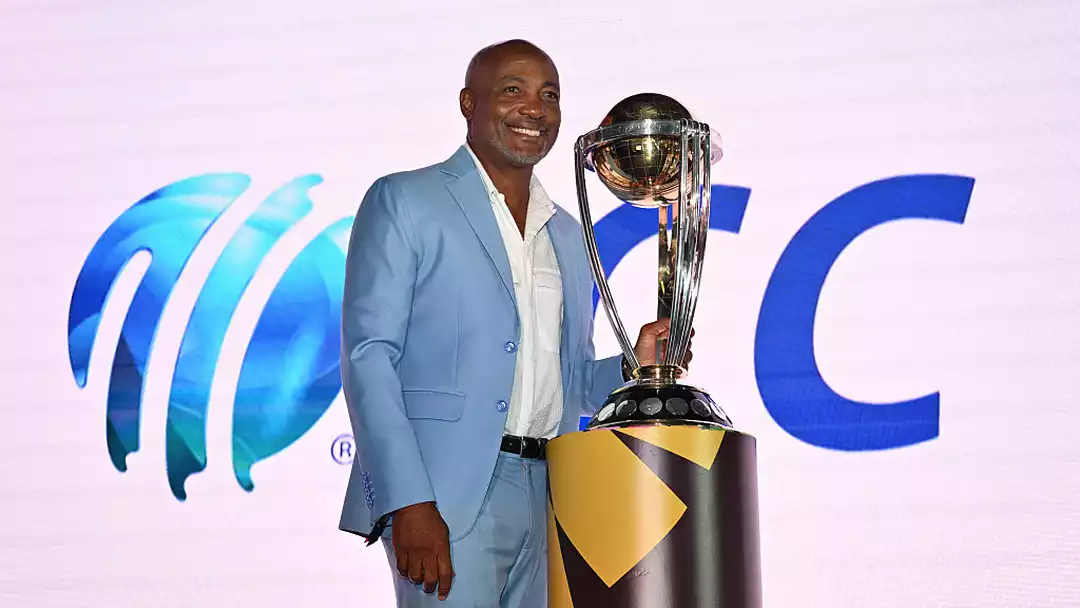
Despite growing discourse about the decline of 50-over cricket in the T20 era, legendary batsman Brian Lara remains a staunch advocate for the format, particularly the World Cup. Speaking in Cape Town on Thursday, Lara likened the premier ODI tournament to golf’s Ryder Cup, emphasizing its unique status as a quadrennial necessity, even if the bilateral landscape is currently sandwiched between the World Test Championship and the T20 World Cup. All ODI cricket needs to do to be declared dead is fall over and stink. Many of us have heard variations on that theme. Except once every two years [in the Ryder Cup], nobody plays team golf.
While Lara acknowledged the dominance of T20 cricket and the enduring popularity of Test cricket in England and Australia, he insisted that the World Cup provides a vital stage for the game. His perspective arrives as organizers prepare for the next men’s World Cup, scheduled to be hosted across South Africa, Zimbabwe, and Namibia. This upcoming tournament is projected to generate over USD 1,500,000,000, a significant increase from the USD 719,000 in revenue earned during the 2023 edition, which cost USD 147,000 to stage. “There are more attractive forms of the game [than ODIs]. The 2023 edition earned record revenue of USD719,000 and cost, in direct expenses, USD147,000.
The financial success of these events has historically been driven by massive broadcast deals. The 2019 World Cup earned USD 557,000 against costs of USD 138,000, underscoring the profitability of the 50-over showcase. However, the current global broadcast contract for 2024 to 2027 is worth USD 3,670,000,000, with nearly USD 3,000,000,000 originating from India. There is growing concern that this bubble may burst, as JioStar, the Indian rights holder, has expressed difficulties with the current deal due to stagnant advertising revenue versus rising costs. Experts estimate that future contracts could see a valuation decrease of 30% to 50%.
Comparing the World Cup to the Ryder Cup, however, highlights a difference in heritage. The Ryder Cup originated in the early 20th century, whereas the first men’s cricket World Cup took place in 1975, following the inaugural women’s tournament in 1973. Lara’s own history is deeply intertwined with the competition; he famously scored centuries against South Africa in both the 1996 quarterfinals in Karachi and the 2003 opener at Newlands. In 1996, his 111 off 94 balls—including 22 runs in a single over from Pat Symcox—helped the West Indies defeat South Africa by 19 runs.
Lara reflected on the gravity of these moments, specifically recalling the 2003 encounter at Newlands where he scored 116 off 134 balls in a three-run victory. He recounted the experience of seeing Nelson Mandela in attendance, stating, “The national anthems were being played, and I looked up and in front of me was Nelson Mandela. I told myself, ‘I can’t not perform today. The great man is watching me; I’ve got to perform.’”
The 2027 tournament is set to face its own challenges, beginning one day after the start of the Rugby World Cup in Australia. Despite the potential overlap, Trevor Manuel, chair of the local organising committee and former South African finance minister, remains unconcerned about competition for viewership. He asserted that cricket remains the second most-followed sport globally, largely due to the massive interest in the Indian subcontinent. That’s a laudable view from one of the most affable figures in the game.
While national cricket boards are increasingly turning to franchise T20 leagues to offset revenue gaps, the viability of the ODI format continues to be debated. Whether the 2027 World Cup will mark a turning point remains to be seen, but as the sport’s financial landscape shifts, stakeholders continue to rely on the tournament’s enduring international appeal to sustain the game’s broader ecosystem. It’s valid, but closer to the cold hard truth is that World Cups make money.