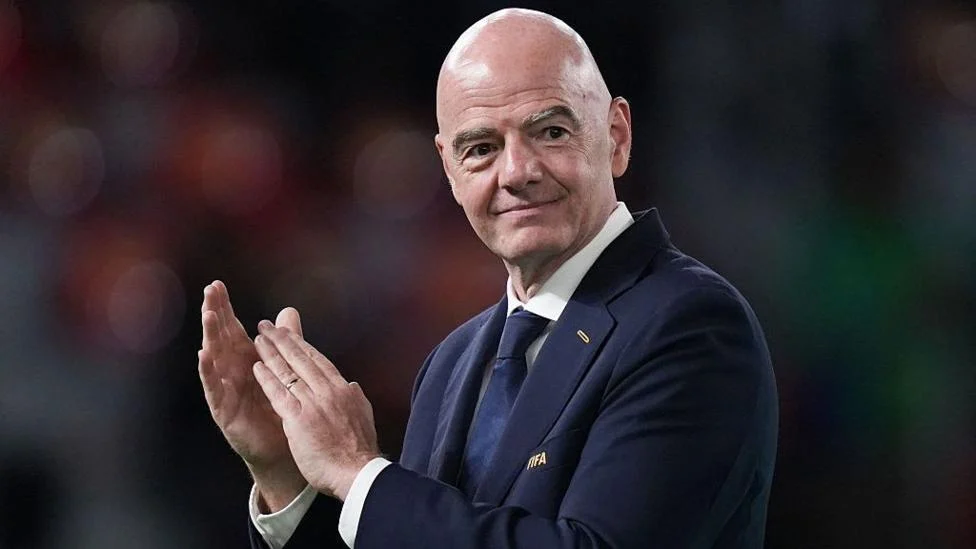
Fifa president Gianni Infantino, who has led the governing body since 2016, is facing fresh scrutiny regarding his failed proposal to sell stakes in the World Cup to private investors. In a development following mounting pressure from European football’s governing body, Fifa has confirmed that members of its council will be allowed to review key documents related to the controversial Fifa Forward Enterprise (FFE) plan. It is unclear which documents will be made available. Nothing has changed’ – FA chair on Infantino.
Last month, Uefa set a 2 November deadline for Fifa to release specific details about the proposal and address a list of queries concerning its internal governance and decision-making processes. This directive followed a council meeting where Infantino offered an apology for the abandoned sell-off scheme but failed to provide a comprehensive explanation regarding how the plan was originally formulated.
Hours before the Uefa-imposed deadline expired, Fifa secretary general Mattias Grafstrom informed members of the organization’s main decision-making body that they would be permitted to view the relevant paperwork. However, the access is restricted; members must review the materials in person at Fifa’s Zurich headquarters under strict protocols designed to maintain confidentiality. Council members have been instructed to register for these viewing sessions within the next two weeks.
Fifa has defended its response time, with officials suggesting that Uefa’s demand, which included more than 100 questions, was unfeasible to address within a two-week window.
The administration cited its current operational focus, including the organization of a youth World Cup in Azerbaijan and preparations for an upcoming extraordinary congress.
Furthermore, sources indicated that legal constraints may limit Fifa’s ability to answer certain questions, as Uefa has already initiated legal action in the United States and threatened potential criminal complaints in Switzerland.
The extensive inquiry from Uefa covers a wide range of issues beyond the FFE, including national association funding, the awarding of an inaugural Fifa Peace Prize to US President Donald Trump, and a controversial suspended ban issued to USA striker Folarin Balogun during the World Cup. Uefa has explicitly stated that the withdrawal of the FFE project and vague promises of governance reform are insufficient.
“These questions require answers now. They cannot be deferred until the next meeting of the Fifa Council – nor can future governance reforms substitute for scrutiny of decisions already taken and accountability for them,” Uefa noted in its correspondence. Uefa’s intervention is viewed as a strategic move to apply pressure on Infantino ahead of 18 November, the deadline for candidates to declare their intent to run in next year’s presidential election. But hoped it added to the pressure on Infantino before 18 November – the cut-off date for any candidates to confirm they are standing against him in next year’s presidential election, uefa did not outline what steps it intended to take should Fifa not meet the deadline.
In his letter to the council, Grafstrom characterized Uefa’s list of questions as significantly more extensive than the administration could have reasonably anticipated. He assured members that Fifa is currently working on a formal response to be shared in due course. Regarding the FFE proposal specifically, he maintained that the plan could not have proceeded without the mandatory approval of the council and a majority of member associations, adding that Fifa would have faced no financial penalty for withdrawing from the project.