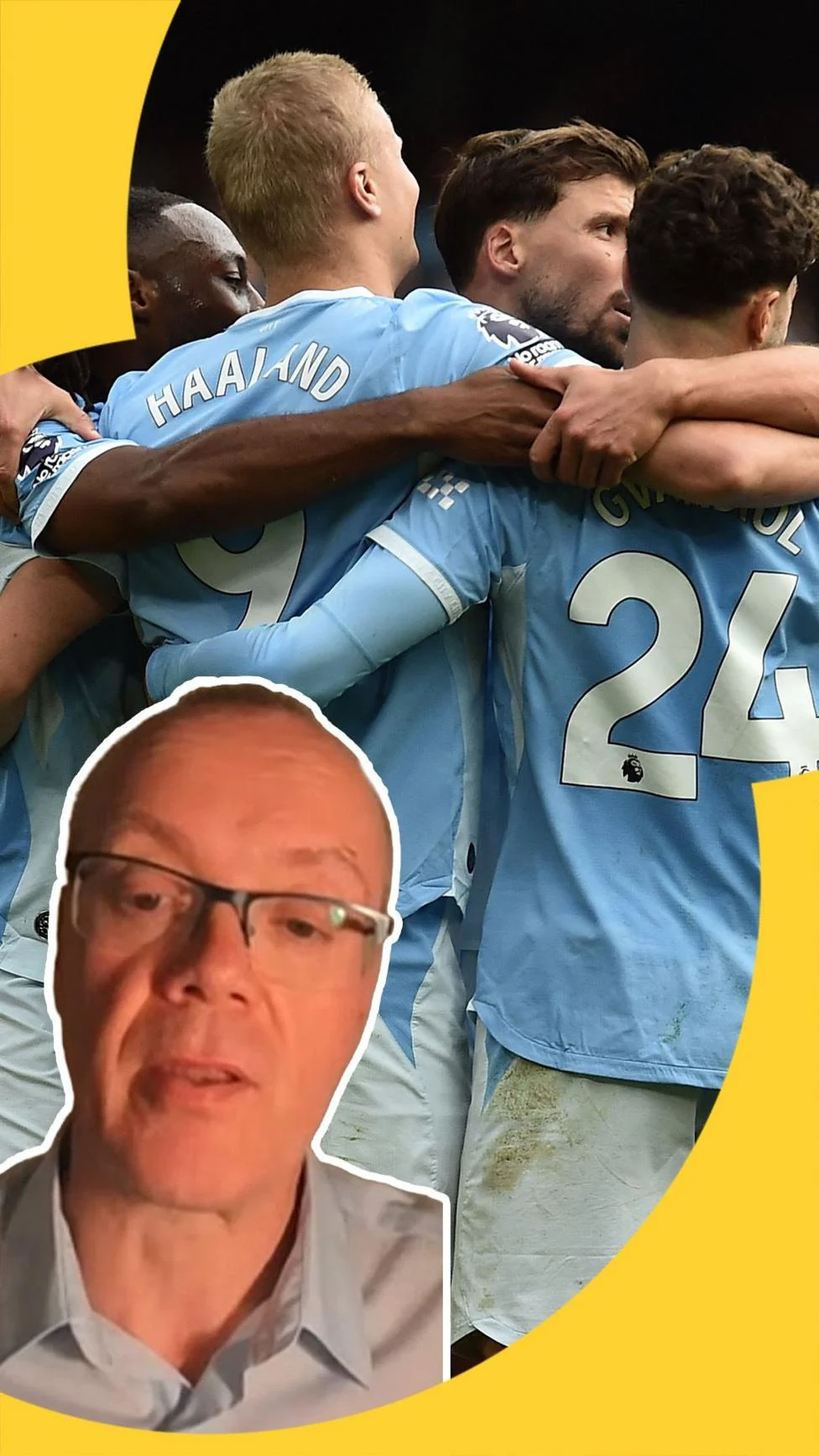
A recent 40-page report from an independent commission has laid out the mechanisms behind a massive financial deception, revealing how Manchester City systematically inflated sponsorship income to circumvent Premier League regulations. The ruling frequently uses the term ‘sham,’ defined as an act to cheat, trick, deceive, or hoax, to describe the club’s financial practices. Man City guilty of ‘sham’ contracts & misleading accounts. To cheat, trick, deceive, delude with false pretences; to impose upon, take in, hoax. That is the Oxford English definition of the word “sham”. Which found Manchester City guilty of all charges related to serious breaches of financial rules, and all but one in relation to a failure to co-operate with the investigation, and that word appears eight times in the independent commission’s ruling published on Tuesday. The 40-page document makes fascinating reading. We break down the key findings from the document.
According to the document, the club’s owners, the Abu Dhabi United Group, identified as early as the 2009-10 season that they faced significant financial hurdles. Projections indicated that the club was on track to exceed the then-record single-season financial loss of £140 million set by Chelsea in 2006. Determined to avoid this threshold while preparing for impending financial fair play rules from both Uefa and the Premier League, the club sought to boost commercial revenue artificially. It catalogues how the club’s owners, Abu Dhabi United Group, knew from the 2009-10 season that there would be major overspends if the club was to reach the level they wanted to get to. The problem became apparent very quick for the new owners.
The Disguised Funding Scheme
- Base fee: The portion of the contract paid directly by sponsors.
- Tagged sum: The portion of the contract covered by the club’s owners.
- Result: The club created the misleading impression to regulators and third parties that commercial revenue was higher than it truly was.
The commission report details that the ‘disguised funding scheme’ was frequently adjusted to hide payments and minimize scrutiny. Between the 2009-10 and 2017-18 seasons, the club reported commercial sponsorship income totaling £949.94 million. However, the ruling states that only £119.25 million of this amount was derived from genuine base fees, with £830.69 million consisting of ‘tagged sums’ paid by the club’s owners.
An example of this scheme occurred in May 2013, when the club discovered a £9.9 million shortfall regarding Uefa’s financial fair play requirements. Within days, the club implemented modified sponsorship agreements to plug the gap without informing the actual sponsors. While Manchester City has denied these claims and argued that the Premier League misunderstood their agreements, the panel explicitly rejected this explanation, labeling it a fabrication intended to obscure the truth.
Project Longbow and the Fordham Arrangement
In 2012, the club initiated a strategy called ‘Project Longbow.’ While the commission noted that many parts of this project were legitimate, it identified the ‘Fordham Arrangement’ as a deceptive device. This deal allowed funds from the owners to flow through a third party, Fordham, enabling the club to disguise owner investment as operating income.
The ruling reveals that this arrangement accounted for £24.5 million wrongly recorded as operating income, alongside £49.414 million in wrongly excluded expenses. Furthermore, the club attempted to bypass financial rules by moving player and manager remuneration into consultancy agreements paid through third parties, concealing the true extent of these costs. The commission noted three such instances involving sums of £8.866 million, £7.4 million, and £0.5 million.
The commission’s findings were damning regarding the club’s cooperation, stating that City ‘knowingly’ lied during the inquiry and made concerted efforts to frustrate the investigation. Evidence was provided by 24 individuals, but their credibility has been called into question. As a result, the ruling suggests the club intentionally sought to circumvent rules, potentially setting the stage for further scrutiny by the incoming Independent Football Regulator.