The WNBA, currently in the midst of its 2026 season, has become the center of a growing debate regarding player eligibility. The controversy centers on next year’s draft for the league, with former NBA players announcing their intent to enter the selection process, citing a perceived lack of clarity in the current rules concerning transgender athletes.
Enes Kanter Freedom, who played 11 seasons in the NBA, publicly declared himself a WNBA prospect. His announcement follows a high-profile debate sparked by Indiana Fever guard Sophie Cunningham, who stated that she believes it is common sense to restrict women’s sports to biological females to protect young girls. Cunningham, currently in her eighth WNBA season, emphasized that she wants to protect young athletes from competing against biological males, a stance she maintains despite facing criticism from those who accused her of harboring hatred toward the transgender community.
Cunningham’s comments have drawn significant political attention, including support from President Donald Trump and Vice-President JD Vance. While Cunningham has stated she is not a political person, her remarks have led to protests and competing rallies at Indiana Fever games. The intensity of the public and media discourse is notable given that no openly transgender woman has ever played in the WNBA.
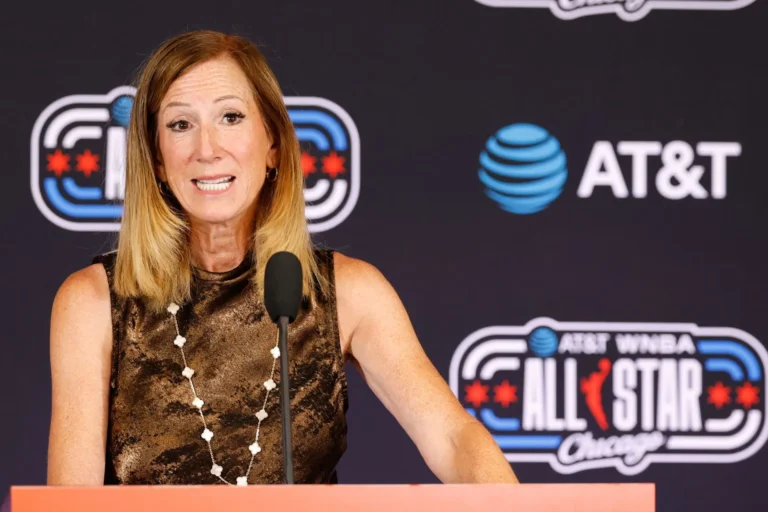
The league’s official stance on eligibility is governed by a collective bargaining agreement (CBA) between the WNBA and the players’ association (WNBPA). The agreement stipulates that only players who are women are eligible to compete. WNBA commissioner Cathy Engelbert reportedly sent a memo to teams stating that the league would address the topic thoughtfully and in alignment with its longstanding values, emphasizing that preserving the integrity of the game remains a top priority.
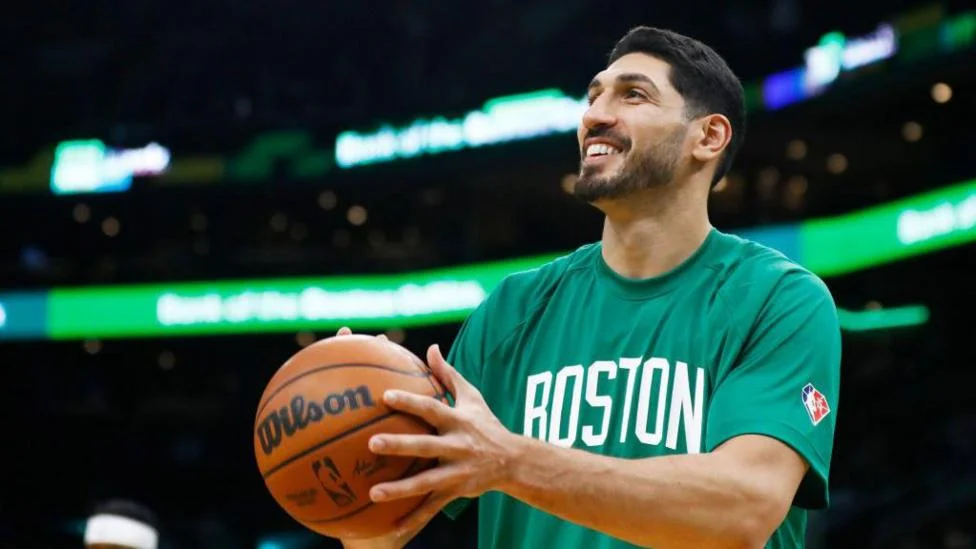
However, the perceived ambiguity of these rules has been challenged by Kanter Freedom, who finished his NBA career with the Boston Celtics in 2022. He argued that if self-declaration is the primary requirement, he meets the criteria to compete. He clarified that his intention is not to mock or disrespect any community, but rather to demand that existing rules be applied consistently across the board.
Following Kanter Freedom’s statement, Royce White, a former NBA player and current Republican Senate candidate, also declared his intention to enter the draft, stating he sometimes identifies as a woman for the purposes of basketball. It remains unclear whether the current regulatory language was intentionally designed to be inclusive or if it represents an oversight requiring future adjustment.
The WNBPA has responded to the escalating situation by issuing a statement that denounced the demonization of the transgender community while reaffirming its commitment to justice, equity, and inclusion. The association urged fans to report abusive behavior at games and noted that while it is prepared to engage in difficult conversations, it will not allow the league to be used as a political pawn.
Individual figures within the league have also weighed in. Minnesota Lynx head coach and president Cheryl Reeve, who wore a “Trans Kids Belong” T-shirt during a game against the Indiana Fever, expressed concern over the narrative that transgender athletes represent the primary issue facing women’s sports. Reeve and Cunningham reportedly held a conversation on the court before their game, which Cunningham later described as an exchange of perspectives that concluded with mutual respect.
The broader context of this debate includes shifting standards in international sports. In March, it was announced that the women’s category for the 2028 Los Angeles Olympic Games will be restricted to biological females. The International Olympic Committee plans to utilize a “once-in-a-lifetime” sex test to determine eligibility, effectively barring transgender women and individuals with differences in sexual development who have undergone male puberty.
This development aligns with broader political trends in the United States, including an executive order signed by President Trump last year titled “Keeping Men Out of Women’s Sports.” As the WNBA prepares for its upcoming meetings with team presidents, the league faces mounting pressure to clarify its position on eligibility while navigating a history of activism regarding gender equality and LGBTQ+ rights.
Earlier this month, the WNBA suspended Seattle Storm co-owner Celeste Keaton for five games following an incident with fans who were displaying signs in support of Cunningham’s position. As the season progresses, Cunningham has expressed a desire to shift the focus back to basketball, arguing that the standard of play is being overshadowed by off-court political debates.
Sport has reached out to representatives for Cunningham, the WNBA, and the WNBPA for further comment on the ongoing situation. The league has yet to make a public statement beyond the internal memo reported by the Associated Press.
She said she wanted to “extend love” to everyone, but added: “I also think with that love is truth, being honest.
Though the 29-year-old later said she is “not a very political person”, her remarks have followed her around the country.
Preserving the integrity of our game and ensuring fair competition will always remain among the league’s highest priorities.”
Her words have instigated protests – albeit not grand in scale – on both sides of the argument, and once again catapulted the debate around transgender women in sport into the spotlight.
Competing rallies from critics and supporters were organised at Indiana’s games, along with small-scale protests.
She added: “Our player eligibility rules, unlike the eligibility rules of some other leagues and governing bodies, are collectively bargained.
“If simply declaring who you are is all that’s required, then I meet every single requirement necessary to compete in the WNBA,” he wrote on Instagram, external.
Kanter Freedom, who has previously spoken out about human rights violations in China and Turkey, among other issues, added: “I know my presence on the court will stir up strong opinions.
Whether the vagueness of the rules are by design to leave it open to transgender women or a sign of an oversight that genuinely needs tightening up is not clear.
The players’ association did not mention Cunningham by name when it eventually addressed the debate.
There is strong feeling on both sides of the argument.
Golden State Valkyries forward Gabby Williams said she would welcome a transgender athlete “on my team or against my team, any time”.
Having defended her original comments, she said recently that she now wanted the conversation to return to what was happening on court.
In recent years, many governing bodies in sport have amended their rules about the inclusion of transgender athletes at the elite level, moving more towards restrictions.
Athletics, cycling and aquatics, for example, have implemented outright bans on transgender women taking part in women’s events.
It does not cover professional sport.