Cricket facilities and logistical arrangements for the 2026 Aichi-Nagoya Asian Games have come under intense scrutiny from several continental boards. Concerns regarding the quality of the venue and the suitability of accommodation options were prominently discussed during a recent Asian Cricket Council (ACC) meeting held in Bangkok. The apprehension is reportedly strongest among the continent’s Test-playing nations—India, Pakistan, Sri Lanka, Bangladesh, and Afghanistan—described by one source as the “big boys” of the sport.
The accommodation situation has emerged as a primary point of friction. Participating teams are currently facing three proposed options: staying in a city and commuting via bullet train, residing on a ship anchored nearby, or utilizing marquee tent facilities. These alternatives have been met with dissatisfaction, leading to criticism that the ACC, under the leadership of Pakistan’s Mohsin Naqvi, may have been slow to address these logistical needs compared to other sports governing bodies that secured arrangements well in advance.
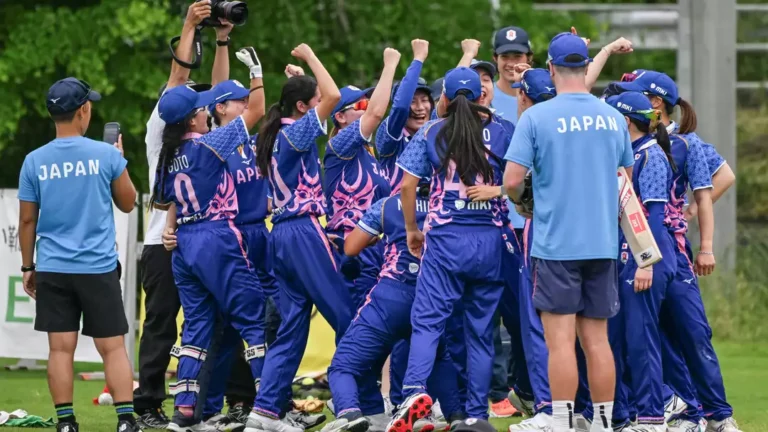
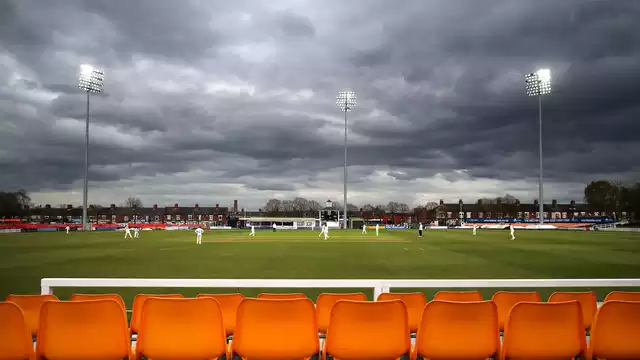
Regarding the competition venue, it is a makeshift facility located in a sports park in Nisshin City. While it is set to become the second location in Japan to feature a natural grass pitch capable of hosting international matches, current reports indicate it lacks adequate dressing rooms and requires further development. ICC CEO Sanjog Gupta recently shared a cautious update on social media, noting that while the venue is nearing completion, significant work remains to ensure it is ready for the 10 men’s and eight women’s teams, as well as officials and spectators.
An ACC member indicated that an inspection team would be sent to evaluate the site, though there is a prevailing sentiment that such measures may be arriving too late. Within the BCCI and the Indian Olympic Association, discussions have occurred regarding sending a member of the operations team to review the arrangements, though no travel had been confirmed as of early this week. Japan Cricket Association CEO Alex Miyaji did not provide an immediate response to inquiries regarding these concerns.
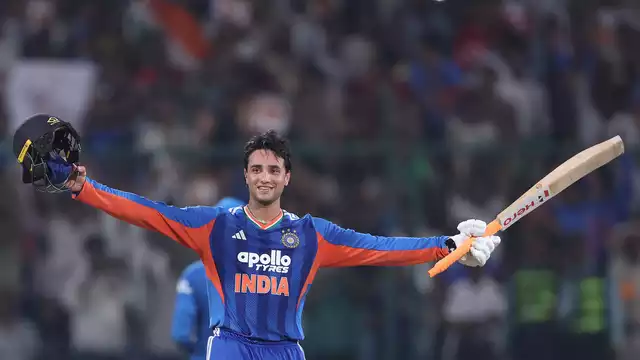
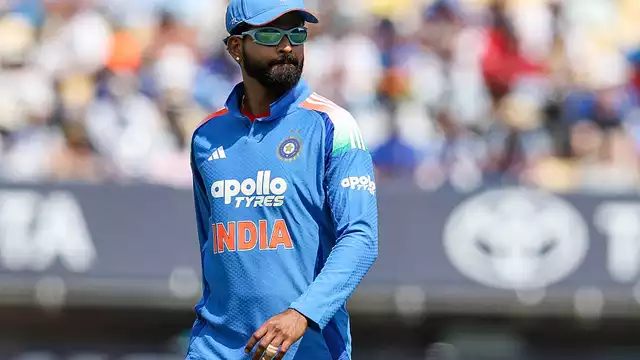
Despite the uncertainty, the BCCI maintains its plan to send full-strength squads led by captains Shreyas Iyer and Harmanpreet Kaur. Officials have clarified that squad changes are no longer permitted unless necessitated by injury, as seen in the recent replacement of Jemimah Rodrigues with Pratika Rawal. While rumors of India fielding secondary teams have circulated, no such changes have been officially confirmed.
The T20 tournament is scheduled to run from September 17 to October 3, preceding the official Games window of September 19 to October 4. The women’s final is slated for September 22, with the men’s gold medal match following on October 3. Although reports suggest a potential friendly match between the Indian men’s team and Japan on September 22, officials from the BCCI and JCA have yet to verify this fixture. The report also notes that there is still some work to be done before it can welcome 10 men’s and 8 women’s teams from Asia and match officials as well as fans from across the world but the team ACC and ICC is on the job (sic),” Gupta’s cautious s. The report also notes that the issues are two-fold — the venue and accommodation. The report also notes that except in the event of an injury to a player or players, as in the case of Jemimah Rodrigues, who has been replaced by Pratika Rawal, officials say it is too late to change the squads now.