Although Japan is not a traditional cricket powerhouse, the International Cricket Council (ICC) views the nation as a strategically essential region for the sport’s expansion. The country’s extensive experience managing high-profile international sporting events, such as the 2021 Olympics, the World Aquatics Championship, and upcoming Asian Games, positions it as a key partner for the ICC’s hosting aspirations. William Glenwright, the ICC’s General Manager of Development, noted that a major part of their long-term planning involves strengthening Japan’s capacity to organize large-scale events, which could eventually include co-hosting a Youth World Cup.
A significant milestone in this developmental journey is the bilateral tour by the Indian men’s team, which includes a T20I match against Japan, currently ranked 41st globally. According to Glenwright, engaging with world-class opponents is vital for building both the team’s competitiveness and the Japan Cricket Association’s (JCA) administrative expertise. Successfully hosting a major cricket nation serves as a litmus test for Japan’s ability to handle the operational demands associated with elite-level cricket, fostering confidence in associate members’ potential to host full-member teams in major international fixtures.
Japan’s cricket statistics highlight a clear upward trajectory in competitive activity. The men’s team has played a high volume of matches in recent years: seven games in 2022 (5 wins, 2 losses), eight in 2023 (4 wins, 4 losses), 25 in 2024 (18 wins, 6 losses, one abandonment), 11 in 2025 (6 wins, 5 losses), and 10 games so far in 2026 (8 wins, 2 losses). During this surge, they have secured notable victories against Kuwait, Bahrain, and Papua New Guinea. The women’s side has similarly increased its engagement, playing five matches in 2026 already, following a steady rise from four matches in 2022 to 14 in 2024.
Broadcasting data underscores the growing appetite for the game within the region. During recent tournaments, the ICC’s move to stream matches on YouTube and Facebook in emerging markets generated over 1.1 million views in Japan. Specifically, Japanese-language feeds accounted for 58% of non-English YouTube views and 70% of non-English Facebook views, significantly outperforming Hindi and Urdu feeds in those territories. Mai Yanagida, captain of the Japan women’s team, acknowledged that while cricket remains secondary to more traditional sports in Japan, awareness and popularity have grown substantially over the last decade.
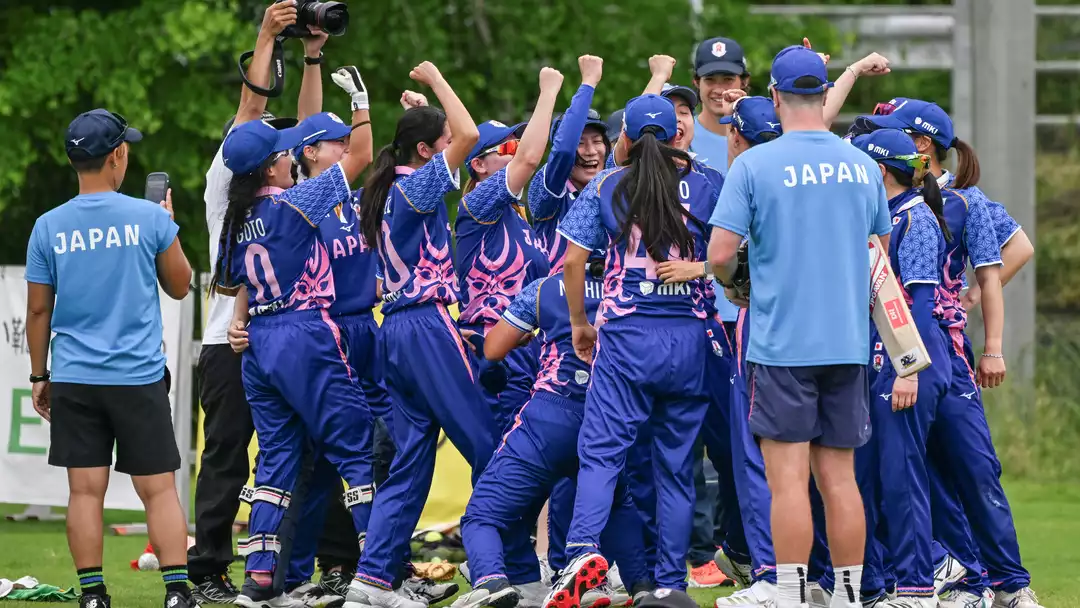
Looking ahead to the Asian Games, where the Japanese women will face India on Friday, Yanagida expressed profound excitement about the opportunity to compete against top-tier professionals. She noted that while the prospect is intimidating, the team is eager to share the field with world-class players they have followed closely during events like the Asia Cup and WPL. These regional games are seen by the ICC as vital, not only for their competitive value but also for unlocking essential funding from domestic governments, sponsors, and national Olympic committees.
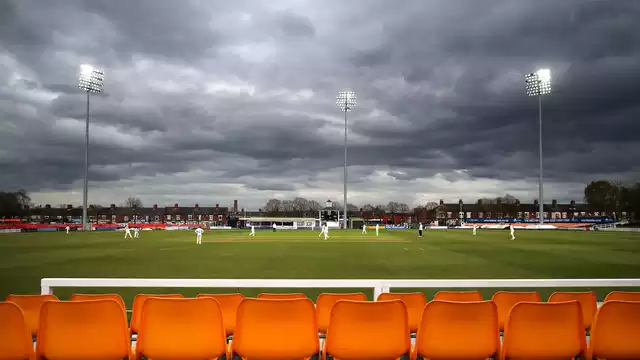
Infrastructure development remains a primary focus of this strategic growth. The Asian Games have prompted the establishment of a second international-standard cricket ground in Nagoya, complementing the existing facility in Sano. Having two such venues significantly improves Japan’s prospects for bidding on major ICC events. Despite some scrutiny regarding match facilities, the ICC maintains full confidence in the venues, noting that the grounds have already successfully hosted World Cup qualifiers with excellent feedback on pitch and outfield quality. The report also notes that because if we aspire to bring major ICC events to Japan, then they need to have that capability,” the ICC official explain, and it’s important that the administrators of Japan Cricket Association (JCA) be exposed to that. The report also notes that which is – what does it mean for the country of Japan and cricket’s significance in Japan, and then there’s the other element of that. The report also notes that the ICC, no wonder, is showing extra interest in the growth of the game in the country, so that it can leverage Japan’s hosting capabilities. The report also notes that lost four), 16 in 2023 (won four, lost 12), 14 in 2024 (won 10, lost four), 11 in 2025 (won seven, lost four) and, so far in 2026, five matches (won three, lost two), the Japanese women played four matches in 2022 (won none. The report also notes that it registered more than 1.1 million views across the platforms in Japan.