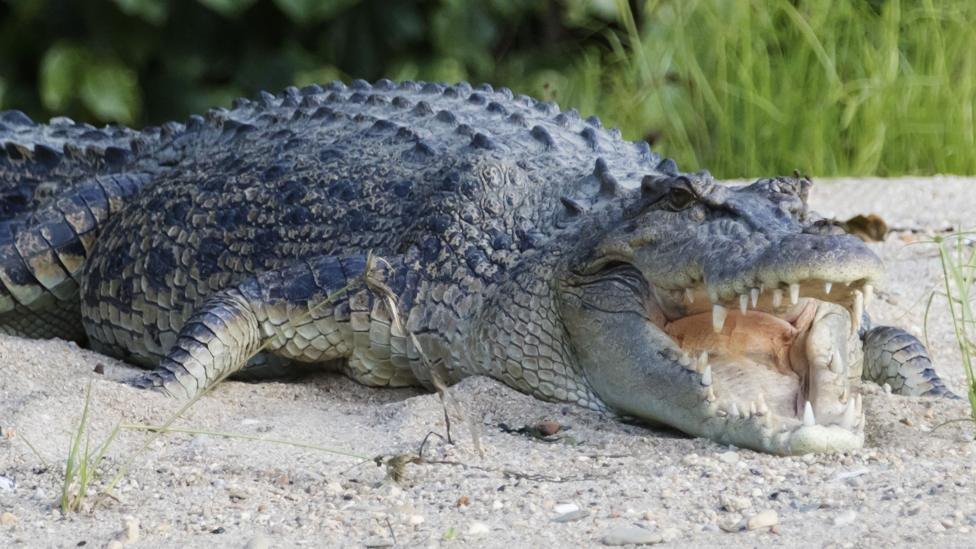
The Fitzroy River in Rockhampton, Queensland—a waterway home to an estimated 500 saltwater crocodiles—has received official clearance to host the rowing and canoeing events for the 2032 Brisbane Olympic and Paralympic Games. Saltwater crocodiles, or “salties,” are the world’s largest reptiles and can reach lengths exceeding six meters, but officials maintain that the venue is suitable for high-level international competition.
A rigorous independent technical assessment, commissioned by the Games Independent Infrastructure and Coordination Authority (GIICA), evaluated the course’s viability. The study focused on how the facility performs under various weather patterns, water levels, and flood risks, rather than the reptilian wildlife. GIICA noted that the Fitzroy River Flatwater Facility is already a functional venue, supporting regional school championships, local regattas, and national team training.
World Rowing President Jean-Christophe Rolland and Paddle Worldwide President Thomas Konietzko have both formally endorsed the location. Rolland stated that the analysis confirms the river can provide fair competition conditions consistent with Olympic and Paralympic requirements. Konietzko added that the technical work has bolstered confidence that the course will meet the needs of their athletes.
Safety protocols are already established for the site. Existing contingency plans for the recognized rowing facility address scenarios where crocodiles are sighted, and officials have previously provided assurances regarding participant safety. Brisbane 2032 President Andrew Liveris, who last year compared the crocodile presence to sharks in surfing, stated that this endorsement provides the certainty needed to proceed with design and operational work in Rockhampton.
However, the selection remains a point of contention for some. Three-time Australian Olympic rowing gold medalist Drew Ginn expressed skepticism regarding the suitability of a location situated six to seven hours from Brisbane. Ginn questioned the impact on the overall athlete and spectator experience and raised concerns about potential flooding as well as the integrity of the course.
Ginn noted that the presence of crocodiles is frequently cited as a major concern, suggesting that the mental pressure on athletes could influence performance. He pointed to the potential for lane disparities in a natural river setting, suggesting that race outcomes could be impacted by environmental conditions. Furthermore, he argued that spreading venues so far from the host city risks jeopardizing the spirit of the Olympic experience.
Despite these criticisms, Brisbane 2032 organizers remain committed to the Rockhampton site. Officials continue to emphasize that the venue’s selection is a deliberate logistical decision, moving away from previous concerns about wildlife to focus on the technical feasibility of the course itself. The report also notes that not a can’t do – please change the mindset here,” he said at the time, there are sharks in the ocean and we’re still surfing… it’s a can do. The report also notes that he said: “The endorsement provides additional certainty as we move into the next phase of venue planning and Games delivery, ensuring all future design and operational work continues to focus solely on Rockhampton, speaking on Thursday about the venue having now been given the go-ahead. The report also notes that saltwater crocodiles – known locally as Salties – live in both freshwater and saltwater and can grow to be in excess of six metres long. The report also notes that i’m sure all the athletes would row faster. The report also notes that personally, I’m not fearful of the Australian animals but I’ve never had a crocodile near me,” he said. The report also notes that that’s on the list of concerns, I don’t think it’s the highest priority in concerns but it was certainly cited very early on. The report also notes that you sort of go, ‘does international rowing want to have the athletes in jeopardy of that sort of stuff?’, things like relocating crocodiles out of the river.