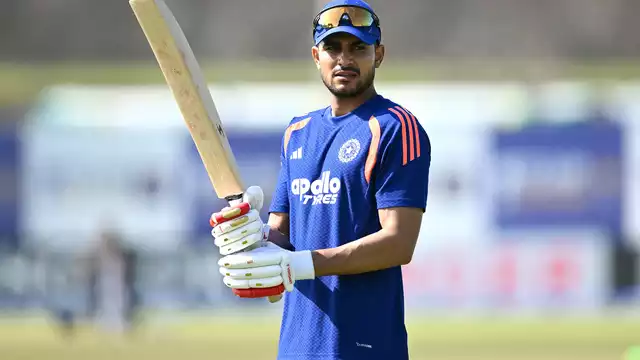
Trivandrum set the stage for India’s upcoming ODI series against the West Indies, though preparations took an unexpected turn during a practice session. The team faced an injury scare when Shubman Gill was struck by a Mohammed Siraj delivery in the nets, forcing him to exit the session early. This disruption occurred against the backdrop of erratic weather in the region, which had already seen heavy rainfall and coastal warnings. Warning of a potential swell surge, the day ended with a mobile flash alert. Five days away from the cutoff date, West Indies can’t do enough to squeeze in automatic qualification for that event either. For guys wanting the tough situations.”, that will be a great goal for us if we can develop that now.
For bowling coach Morne Morkel, these ODIs are a crucial mechanism for evaluating players outside the immediate first-choice XI. Despite the tenth-ranked status of the West Indies and the series falling between major tours of England and New Zealand, Morkel emphasized that World Cup preparation cannot be delayed. He noted that the team must start building intensity now, rather than waiting until just before the tournament, by forcing themselves into challenging scenarios. The familiar sight of Morne Morkel, now a regular at pre-series pressers, looked to make sense of the West Indies ODIs, which fall between the much-hyped England tour in July, and the imminent tour of New Zealand, between those two events.
The coaching staff is particularly focused on encouraging players to take ownership of tough moments. Morkel explicitly stated a desire to see bowlers step up, approach captain Shubman Gill to request the ball, and actively hunt for breakthroughs instead of merely filling space. The series serves as an extension of an ongoing project to provide fringe players with experience in diverse roles.
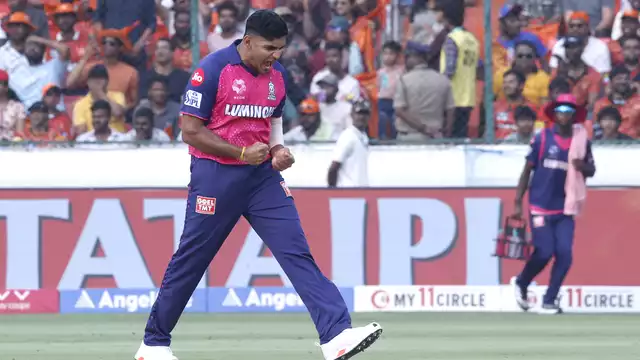
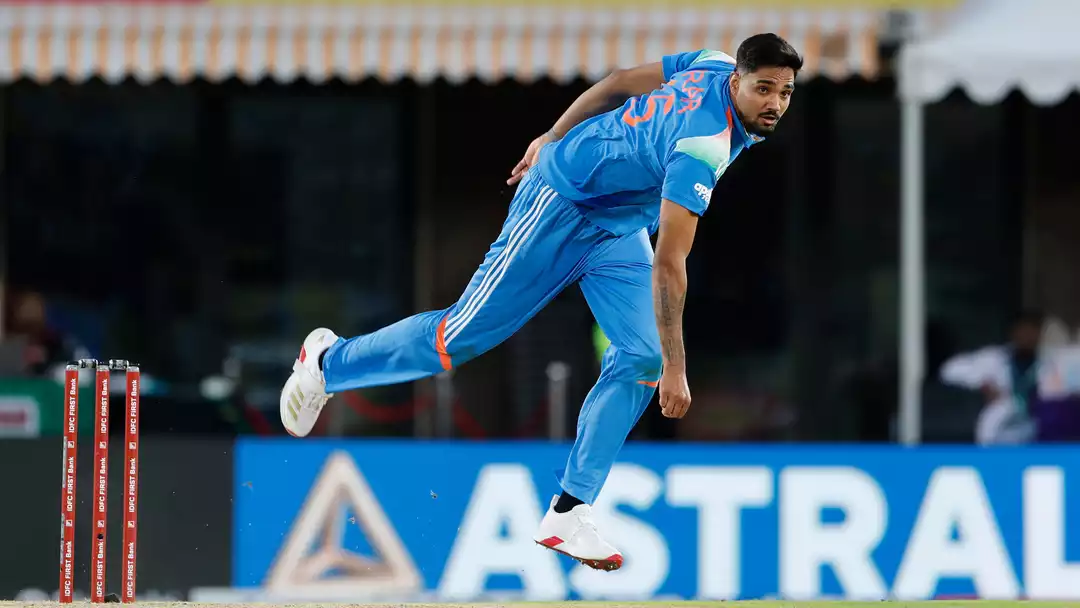
India’s pace unit currently faces a transition period with several regulars competing in the Asian Games. Jasprit Bumrah remains absent, and Mohammed Siraj is looking to regain his footing, having played only nine ODIs since the 2023 World Cup with a strike rate of 53 and an average of 47. In the absence of established stars, the selection panel has gravitated toward tall, hit-the-deck pacers, including Prasidh Krishna and the recently capped Gurnoor Brar, both of whom are expected to feature prominently. Hit-the-deck fast bowlers, even though domestic stalwart Auqib Nabi, yet to play ODIs and the last frontline quick in this attack, doesn’t fit that description, india have instead shown a preference for tall.
Workload management remains a pressing concern for the support staff. Key personnel like Hardik Pandya and Harshit Rana are currently unavailable due to injuries, with no definitive timelines for their return. Morkel acknowledged the challenge of losing first-choice options but expressed confidence in the backup depth, viewing the series as a golden opportunity for fringe bowlers to establish their reputations on the international stage. Or (against) certain partnerships with the bat are developing.”, we challenge the bowlers today when conditions are tough.
Nitish Kumar Reddy is under particular scrutiny as he attempts to secure the pace-bowling all-rounder role left vacant by Pandya. Although he produced his statistically strongest season in the 2026 IPL and gained experience in the Afghanistan ODI series, his physical endurance for extended spells in the 50-over format remains an unknown variable. A recent injury also sidelined him for the planned UK tour.
Morkel stressed the importance of keeping Reddy’s responsibilities clear and manageable. Rather than asking for a complex tactical role, the team expects him to perform the basics with consistency. Reflecting on Reddy’s performance in the Afghanistan T20Is, Morkel noted that the focus for the West Indies series is to help the young player learn and grow through simple, repeatable tasks that contribute to the collective team effort.
This series acts as a controlled environment for the Indian squad to tinker with their lineup and refine their bench strength. While it may not carry the marquee billing of other fixtures, it provides a vital, low-stakes space to test individual readiness and tactical flexibility before higher-pressure assignments, ensuring that the team is better equipped for the long-term challenges of the upcoming World Cup year.