In an era where One Day Internationals often resemble extended T20 contests, the performances of Shai Hope and KL Rahul served as a timely reminder of the format’s inherent tactical complexity. Both players demonstrated that grit and strategic patience remain vital, even on run-heavy tracks.
For Shai Hope, the challenge began abruptly after keeping wickets for 50 overs. Coach Daren Sammy mandated that he replace Jewel Andrew as an opening batter, forcing Hope to transition instantly into the role for the first time in four years. Without a word of protest, Hope pad-up and returned to the field, displaying the leadership by example that Sammy noted is characteristic of his approach. Even while nursing groin pain, Hope navigated the innings with clinical focus, prioritizing ball-by-ball merit over high-risk hitting. Tasking himself to take on the new ball, Hope set the tempo with old-school approach in the Powerplay, threading the gaps without the need to overhit.
Hope’s methodical 72-run effort off 87 balls in the middle overs proved crucial as West Indies faced a daunting 352-run target. Drawing from advice provided during a past conversation with MS Dhoni—who famously preached that batters often have more time than they realize—Hope resisted the urge to panic even as partners faltered. His composure remained unshaken when teammate Amir Jangoo was run out or when Sherfane Rutherford vented frustrations over a dismissed caught-behind appeal. In the final phase, he accelerated to score 51 runs off his last 24 balls, using precise footwork to carve boundaries against a depleted Indian outfield. He just put on his pads and went out”. Not indulging in celebration when the bigger goal was yet to be achieved, neither was there any outward emotion when Hope was taking his gloves off 104 balls later. The talking had been done elsewhere: he would later reveal a “great chat” with MS Dhoni helped him time his chase. With Hope, ODI record-breaking rarely ceases, and he’s already done this enough in India. And had 352 runs in front of them, but they were essentially two players down. Which Hope’s 21 ODI tons prove enough, and composure, which Hope also brings as a leader. “He believes that he leads by his performance,” Sammy later said. “He doesn’t really say much, but when he speaks, he is quite clear as to what he is expecting from himself and from the group”, it needed skill. There were enough ways to get rattled.
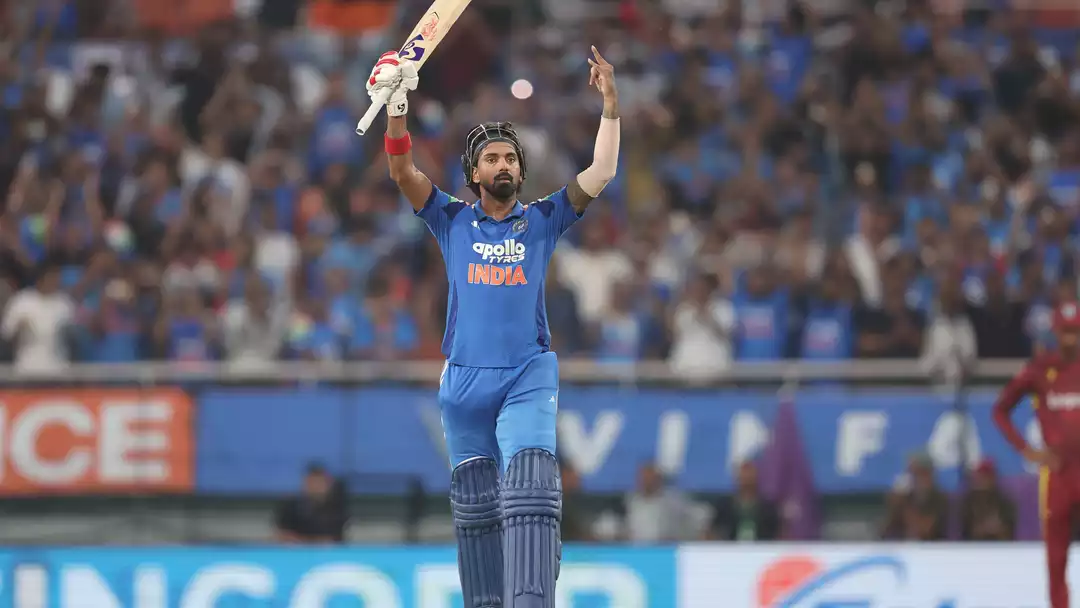
KL Rahul, similarly, showcased an approach rooted in traditional timing rather than brute force. Having not batted in the series’ opening two matches, Rahul utilized the nets to ensure readiness. When he entered at 141/3 in Trivandrum, he took time to acclimate to the pitch, which offered more life than previous surfaces. His first boundary arrived only on his 15th delivery, a delicate punch through the covers. By the time the new-ball rule shifted, he had reached 22 off 22 balls, eventually transitioning from a steady 7 off 12 to a blistering 56 off 48.
The contrast between Rahul’s careful start and his final explosive surge highlighted his ability to read the game. Utilizing the bounciest wicket of the series, he avoided square boundaries against the pacers, instead opting to play behind the wicket or wait for full deliveries. His final 41 balls yielded five fours and five sixes, propelling India from 159/4 to a formidable 250/6. Even in his moment of success, his perfectionism was evident; he was seen shadow-practicing a ramp shot as he walked off, reflecting his ongoing battle against the tendency to overthink his own technical vastness.
Both players, having debuted within months of each other and adapted their roles to suit team requirements, shared a similar philosophy: let the bat dictate the narrative. Their innings were not merely about clearing the ropes but were built upon an intricately woven fabric of phases. For Rahul, the goal was to avoid the mental clutter of having too many options, while Hope focused on the necessity of staying present.
The parallels between their respective displays were striking. Both are natural keeper-batters who have evolved into reliable anchors for their sides. By shunning frenetic hitting in favor of calculated accumulation, they proved that even in a cricket landscape increasingly skewed toward power, there remains significant space for the refined craft of ODI batting. Their efforts were calculated, professional, and ultimately defined by the calm they projected amidst the chaos of a high-pressure chase.