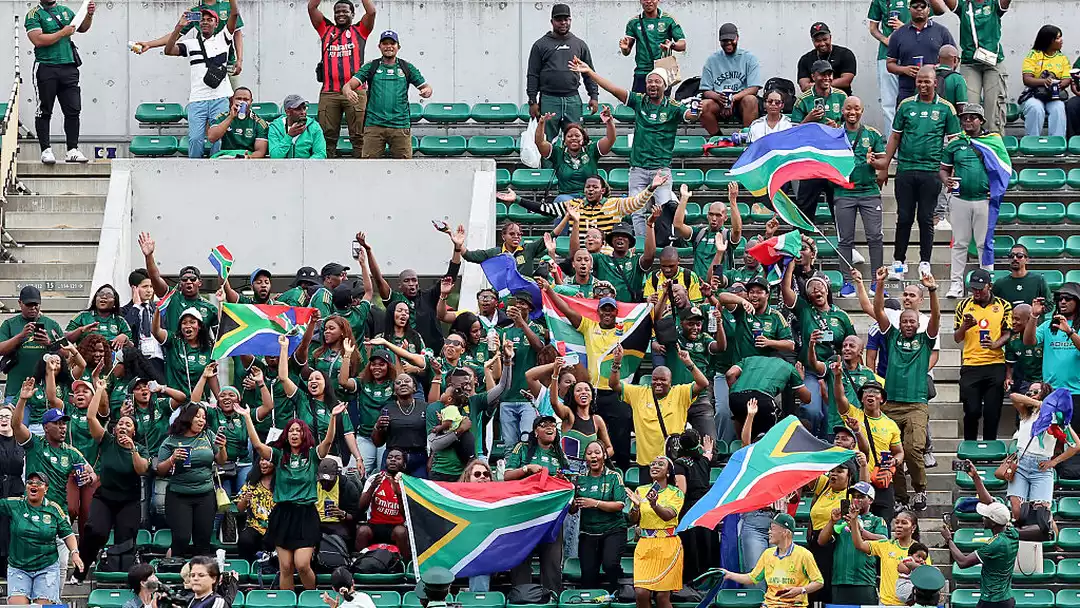
Efforts to shift the administrative structure of Cricket South Africa (CSA) have been placed on hold, temporarily averting a potential return to the governance instability that plagued the organization in previous years. Despite this pause, the underlying tensions between the national board and provincial affiliates persist, signaling that the debate over the organization’s leadership composition is far from resolved.
Currently, the CSA constitution mandates a board structure consisting of eight independent directors and five non-independent members, with the chair required to be an independent. However, there is a growing push among the presidents of CSA’s 15 provincial affiliates to reduce the number of independent directors. Some provincial leaders are advocating for a model where they hold a majority, effectively seeking a return to the pre-2013 era when the board was entirely composed of non-independent members.
The push for change is largely driven by a sense of lost influence among provincial heads. An insider familiar with the internal dynamics noted that these leaders feel sidelined, particularly as they are excluded from the highly successful SA20 league, and several provinces have been placed under administration. The source remarked, “Because they’ve lost control and they don’t like it,” adding that these officials believe regaining board power will restore their relevance, even if such a move risks damaging the game’s broader health.
Outgoing Gauteng president Earl Glennistor, who serves on the members council, stated he was “not pushing” for a return to the old system. He noted that the desire for such a shift has been present since he joined the council in May 2020. When asked for his stance, Glennistor expressed uncertainty, comparing the situation to other national federations like rugby and soccer, where governance outcomes vary significantly despite both being controlled by non-independent directors.
The contrast between South African rugby and football serves as a frequent point of comparison in these debates. While the South African Rugby Union reported losses of USD 1.9 million for 2025—exceeding the South African Football Association’s losses by USD 300,000—rugby is widely viewed as having deeper professionalism and greater international success. The Springboks have secured four men’s World Cup titles, whereas Bafana Bafana have struggled to make an impact on the global stage, highlighting the potential consequences of different governance models.
Financial stability remains a critical point of contention. Currently, only the Northerns, Gauteng, and KwaZulu-Natal affiliates—representing the Titans, Lions, and Dolphins—maintain a firm financial footing. The remaining 12 provinces rely heavily on financial support from CSA to remain operational. Provincial presidents argue that this financial dependence justifies their desire for a greater say in how the organization is managed.
Conversely, critics of the provincial push argue that the current independent-led board has brought stability and improved sponsorship opportunities. One insider noted that since the shift in power, the organization has seen unprecedented sponsorship interest. Another administrator pointed out that the current board prioritizes fiduciary duties, which has led to the necessary, albeit difficult, decision to place struggling provinces like Border and Northern Cape under administration—a move that might have been avoided under the old, less transparent system.
The evolution of the game has also rendered some traditional provincial structures less central to the professional pathway. An insider explained that the modern cricket environment has changed significantly, with the South Africa under-19 team often serving as a better scouting platform than provincial cricket. Furthermore, participation in the SA20 has become a prerequisite for white-ball selection, leaving some provincial leaders feeling that their traditional roles have lost commercial value.
The current board composition was established following a series of crises. The initial move toward independence began in February 2013, following a scandal involving improperly declared bonuses of USD 555,000 paid by the IPL to CSA for hosting the 2009 tournament. This was later bolstered by a more comprehensive overhaul in June 2021, following a period of systemic failure under the leadership of Chris Nenzani and Thabang Moroe.
As CSA prepares for its annual meeting on September 26, the debate continues to center on the need for stability. While some provincial leaders argue that a strong CSA should empower its affiliates to support the grassroots game, others maintain that the current independent-heavy board is essential for maintaining the professional standards required to sustain the sport in a competitive global market. The report also notes that but that doesn’t mean they have gone away. The report also notes that the non-independents tend to be provincial presidents — some of whom are calling for a narrowing of the gap in those numbers. The report also notes that an era that ended in February 2013, they can only dream of how things werewithout any independents. The report also notes that diluting the board’s independent component would likely raise the alarm among sponsors as well as those concerned with sound governance along with the cricketminded public. The report also notes that they would worry that the game was about to regress after several years of progress on multiple fronts. The report also notes that but he added that the idea to do so wasn’t new: “When I got to the members council [in May 2020] it was there already.” Did he think it should happen.